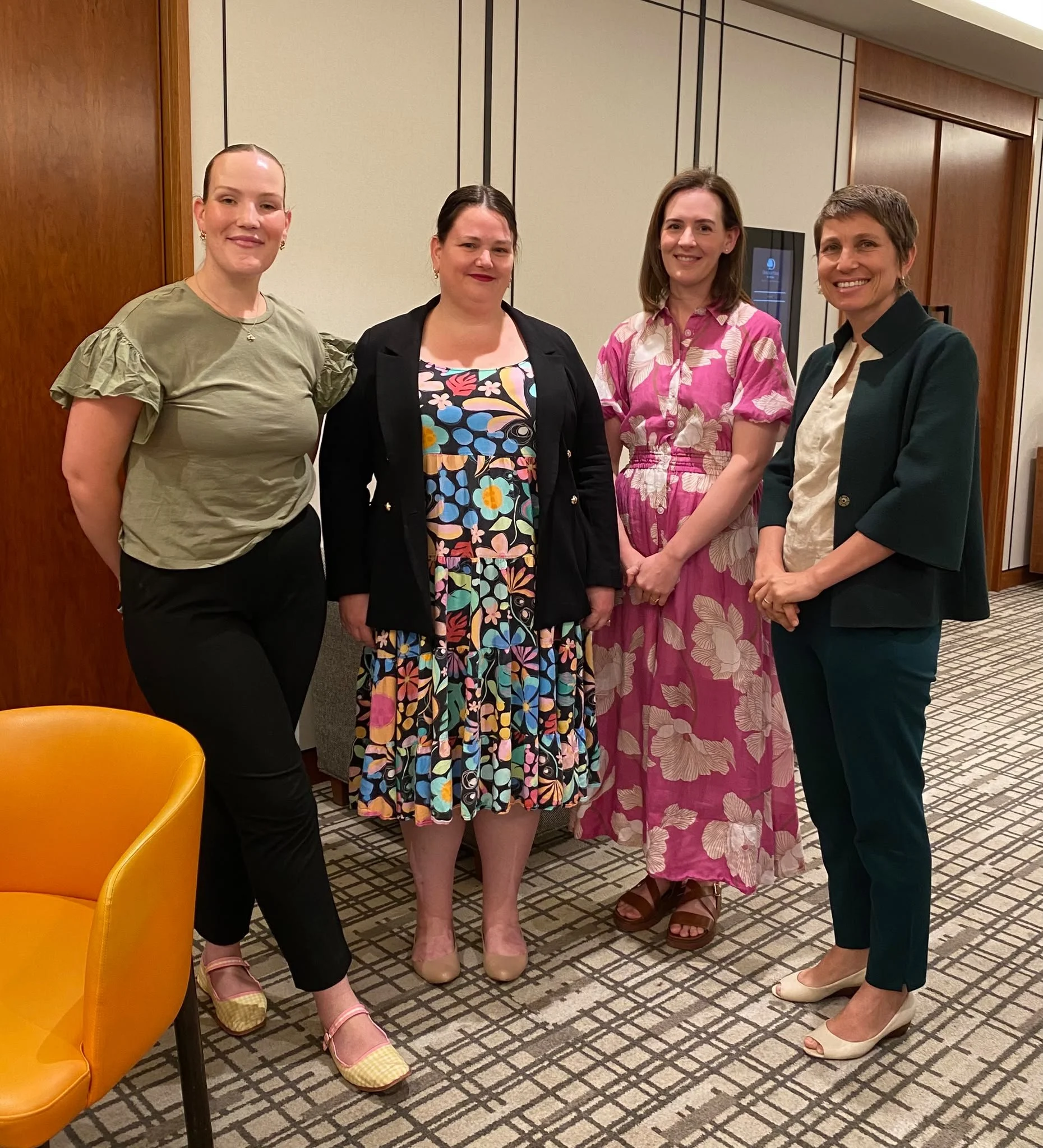
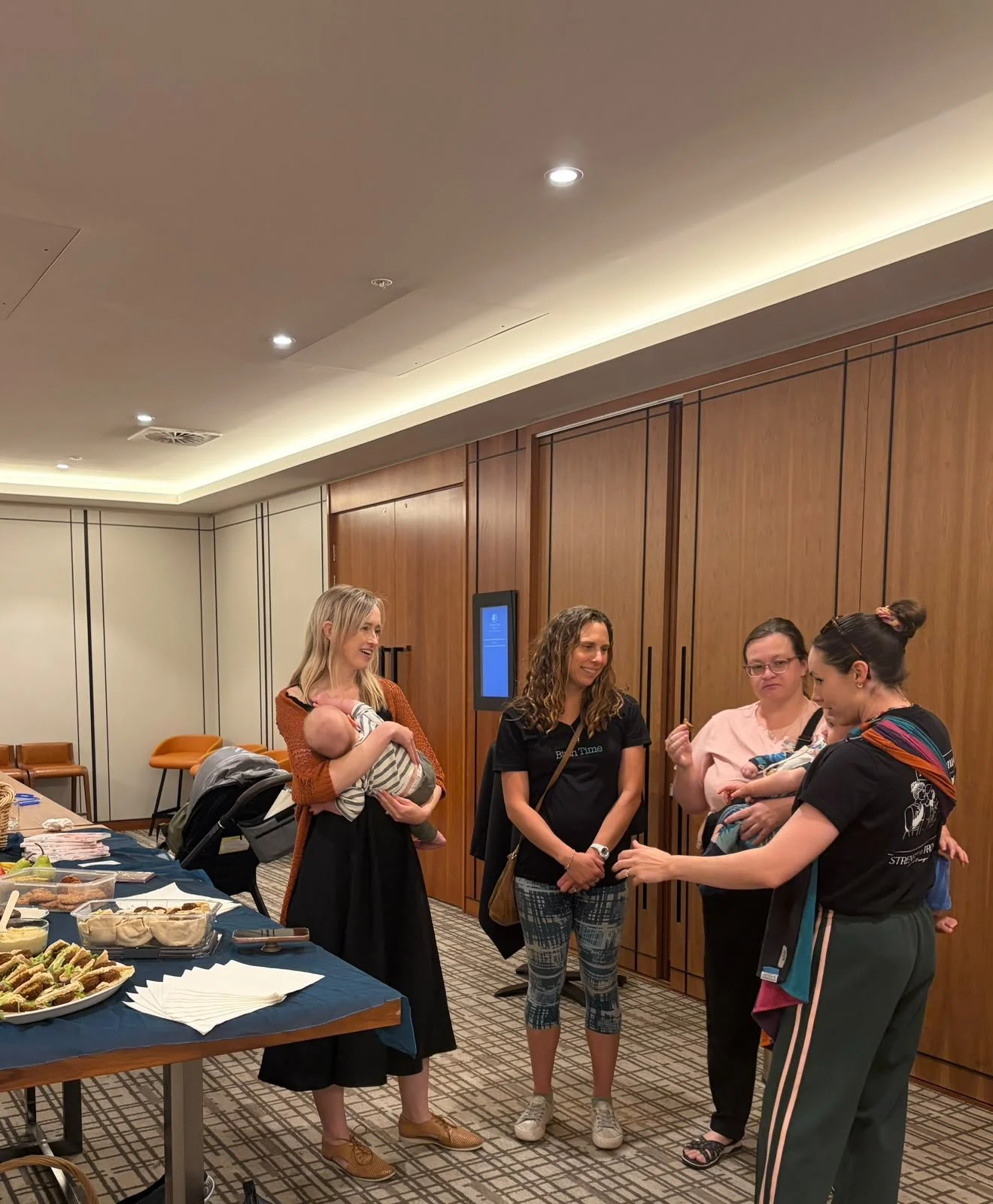
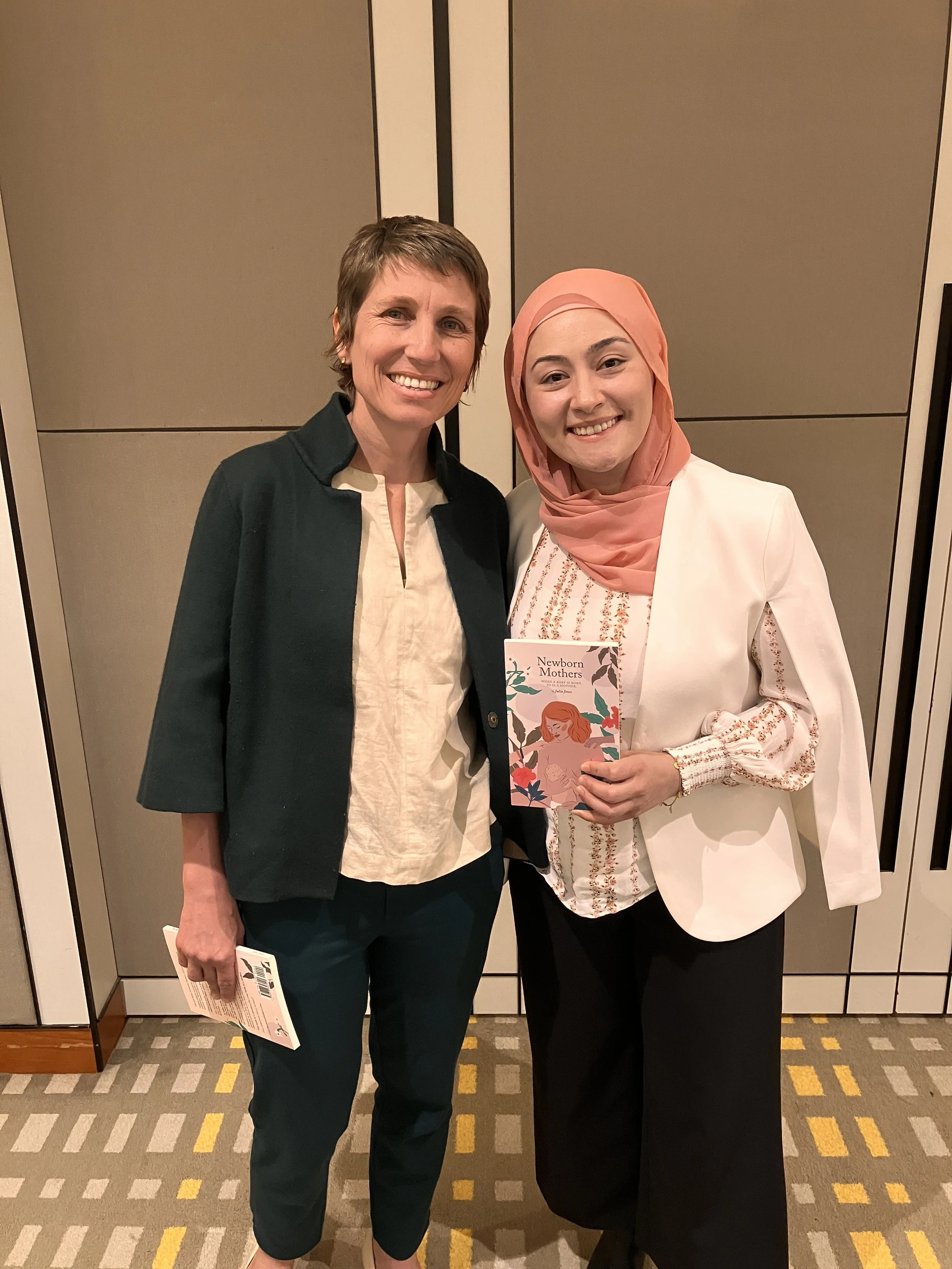
It was a privilege to share my evidence with the inquiry into postpartum care at the hearing in Perth on Monday 9 November. I was invited to share an opening statement and then answer some of the senators questions about postpartum.
It was an important day with many witnesses sharing heart breaking stories of neglect during postpartum. Although there were many tears, I left feeling hopeful and energised that we will see real change in Australia as a result of this federal inquiry.
There will be more hearings in more states in the New Year. Please join our WhatsApp group if you'd like to help organise or attend an event at your local hearing, and please invite your friends!
I’ve shared some of my photos and my opening statement are below.
Newborn Mothers Opening Statement
Thank you for inviting me along and thank you for coming to Boorloo/Perth. I'd like to pay my respects to elders past, present and emerging.
My name is Julia, I'm the director and lead educator at Newborn Mothers. I started out as a postpartum doula 18 years ago, and have now trained almost 2000 non-medical postpartum professionals.
I'd like to begin by telling you a story. Emily is fictional, but her experiences are common.
Emily had her baby seven weeks ago, and now her partner is back at work, the visitors have left and her family have returned interstate.
She's home alone and constantly hungry and thirsty. She feels guilty for relying too much on convenience food and never remembers to drink enough water. She's only just stopped bleeding and now her hair is starting to fall out.
The baby is fussy and her neighbour told her that she should stop eating garlic. He feeds constantly in the evenings and wakes her up every 2-3 hours to feed overnight. She's worried she doesn't have enough milk.
As she carries her baby down the stairs an image flashes through her mind of accidentally dropping him. She feels ashamed and wonders what this means about her as a mother.
She doesn't know what is normal or who to ask and Emily's journey could go in any direction from here.
Alone and exhausted, she might lose confidence in herself and her body and feel like a failure. Emily may make decisions based on fear and misinformation. Her shame and guilt may lead to further isolation.
Or, she might be visited by a postpartum doula, a non-medical professional, who makes her a hot meal and holds the baby whilst she eats. Her doula is the first person to ask Emily how she feels, and really take the time to listen to her answer.
Together they fold the laundry and talk about biologically normal infant sleep and how breastfeeding works and the ways that women's brains and bodies change after childbirth. They organise a meal roster with Emily's friends. Emily feels nervous about asking for help but is reassured that it's normal to need support after having a baby.
Finally, her doula connects Emily with a local mums group and helps her figure out what to pack in the nappy bag, and how to fold the pram into the boot of the car. As they say goodbye, the doula gives Emily the Breastfeeding Helpline number and reminds her she can call 24 hours a day.
Emily now has a guide who helps her feel more confident and connected. She has access to evidence-based information and understands what to expect from a normal postpartum transition. She has someone to help her navigate the system and help her seek medical care early if it is needed.
Everything Emily has experienced is normal, and Emily needs support. Access to care should not be conditional on a mother reaching a clinical threshold.
In my submission I shared research on parents that showed that:
loneliness is the strongest factor associated with psychological distress,
the ability to rest and recharge is the strongest factor associated with physical health,
and mothers are most likely to report depressive symptoms four years after giving birth.
Social, practical, emotional and informational support is not an optional extra, it is essential preventative health care. This is recognised by hundreds of traditional cultures around the world, but we have lost our intergenerational knowledge and our villages.
We need better clinical services, and we also need to recognise that postpartum is not an illness. All mothers need care, even when they are not sick. This inquiry opens a window of possibility for Australia to be a world leader in supporting the physical, mental, emotional and social wellbeing of mothers, consistent with the definition of health in the World Health Organisation constitution.
I ask the committee to identify what is needed to provide social, practical, emotional and informational support to every mother in Australia in her home and in her community. Please make concrete recommendations to the government to build non-medical care into Australia's national maternity care framework.
Every mother deserves to be cared for, not just medically monitored.