How to support newborn mothers
Your practice kit for mother-centred postpartum care
Welcome! Here you’ll learn hands-on skills and simple strategies to provide high-quality postpartum support.
This guide is for for anyone supporting newborn mothers, whether you’re a postpartum doula, birthworker, yoga teacher, bodyworker, therapist, or working in another care role.
Need postpartum support for yourself? Visit our Parents Room instead >>
Jump to: Physical recovery | Food | Mental health | Breastfeeding | Sleep | Village-building
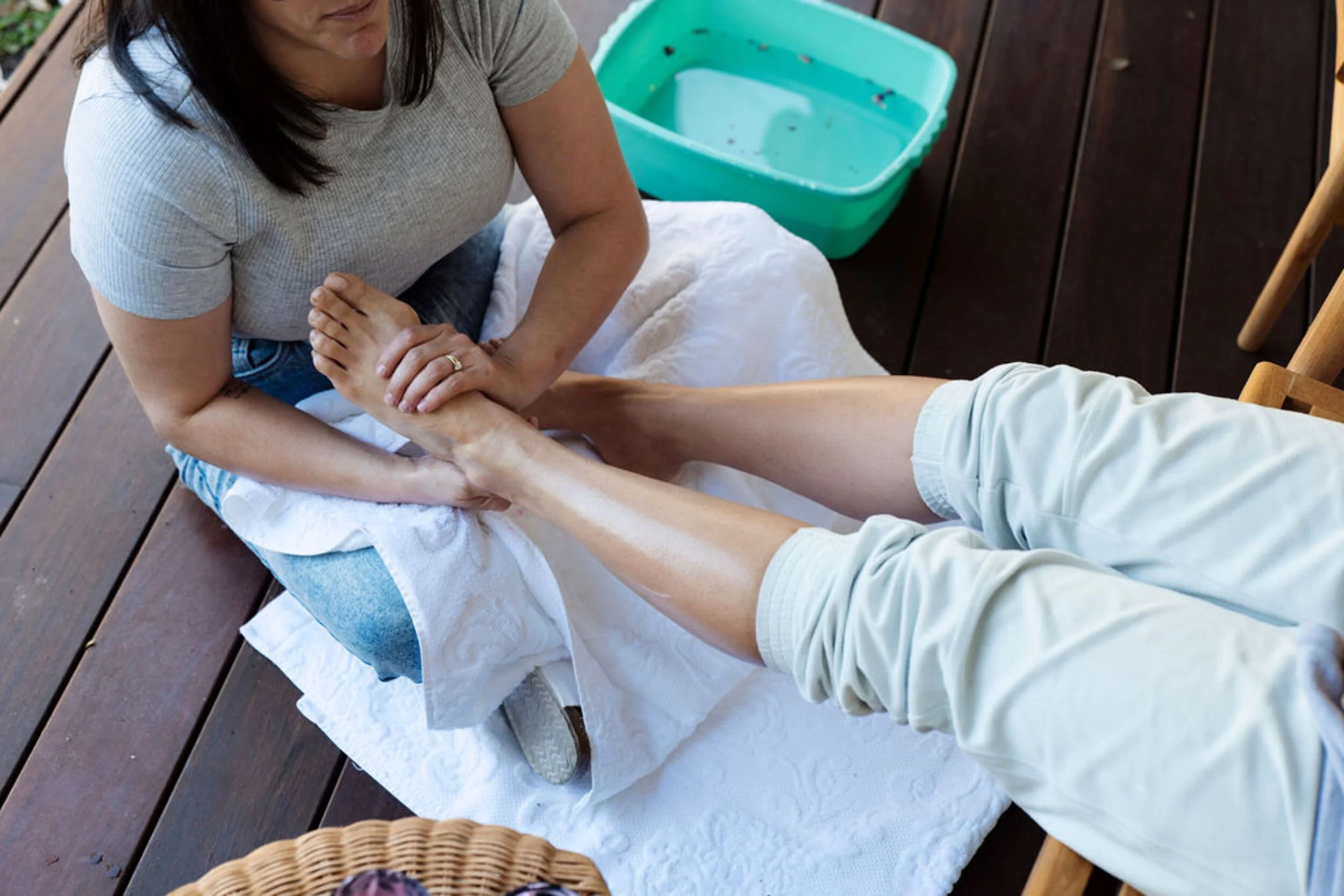
Support postpartum physical recovery…the right way
The first four to six weeks postpartum are a significant time for rest and recovery. Traditional cultures and modern science both recognise this as a unique phase requiring special care.
Why? Because during this stage, a mother’s body experiences dramatic changes. Breasts start producing milk, the uterus shrinks, and bleeding stops.
These are huge changes…yet modern mothers are often expected to be up and moving around within days (or sometimes hours!) of giving birth.
This pressure to “bounce back” quickly can have long-lasting impacts, like postpartum depletion, depression, or chronic poor health.
So how do we actually help a newborn mother recover well?
The posts below explore practical ways to support rest and healing in the weeks after birth.
Learn more about postpartum physical recovery:
Combining Exercise With Holistic Postpartum Care

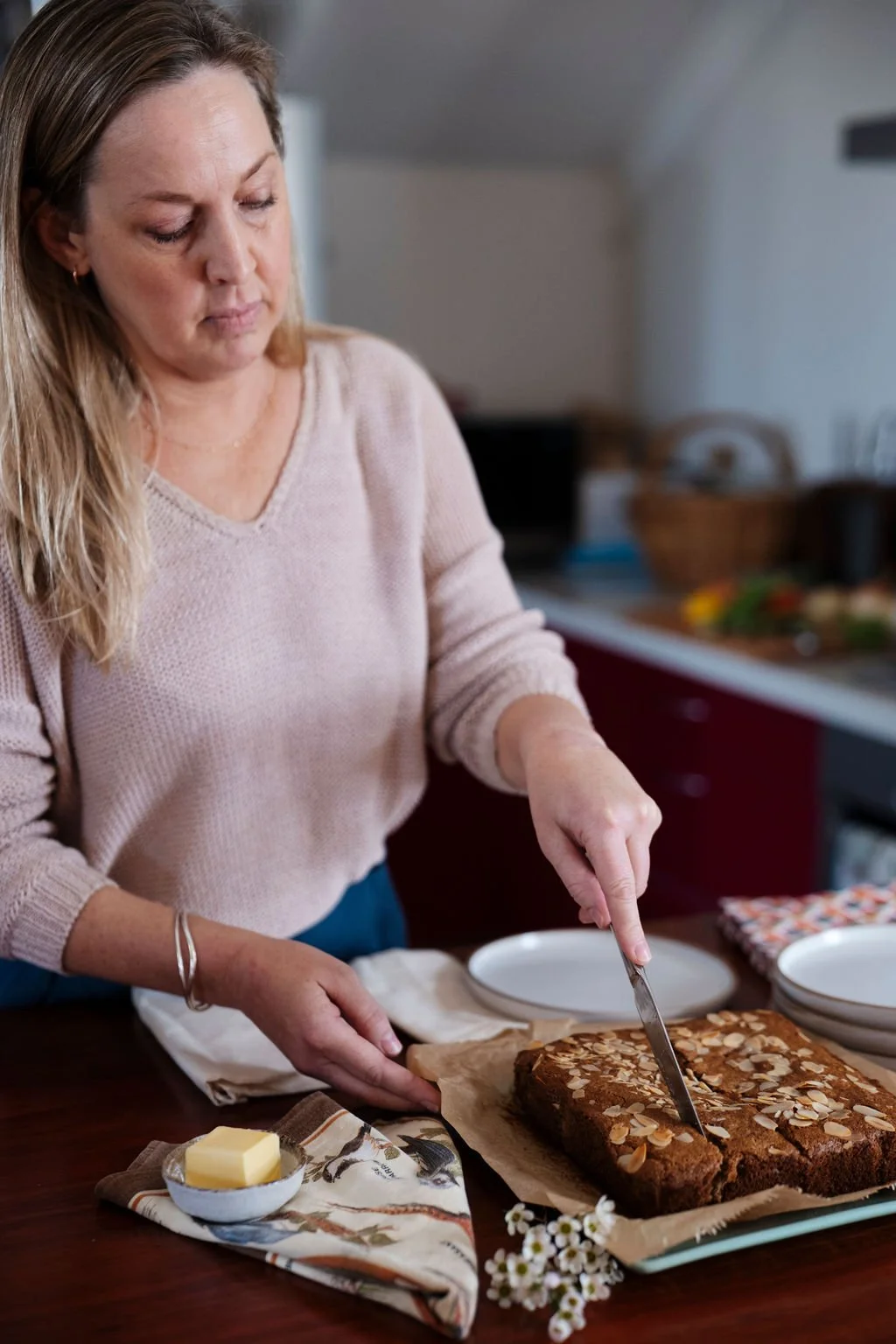
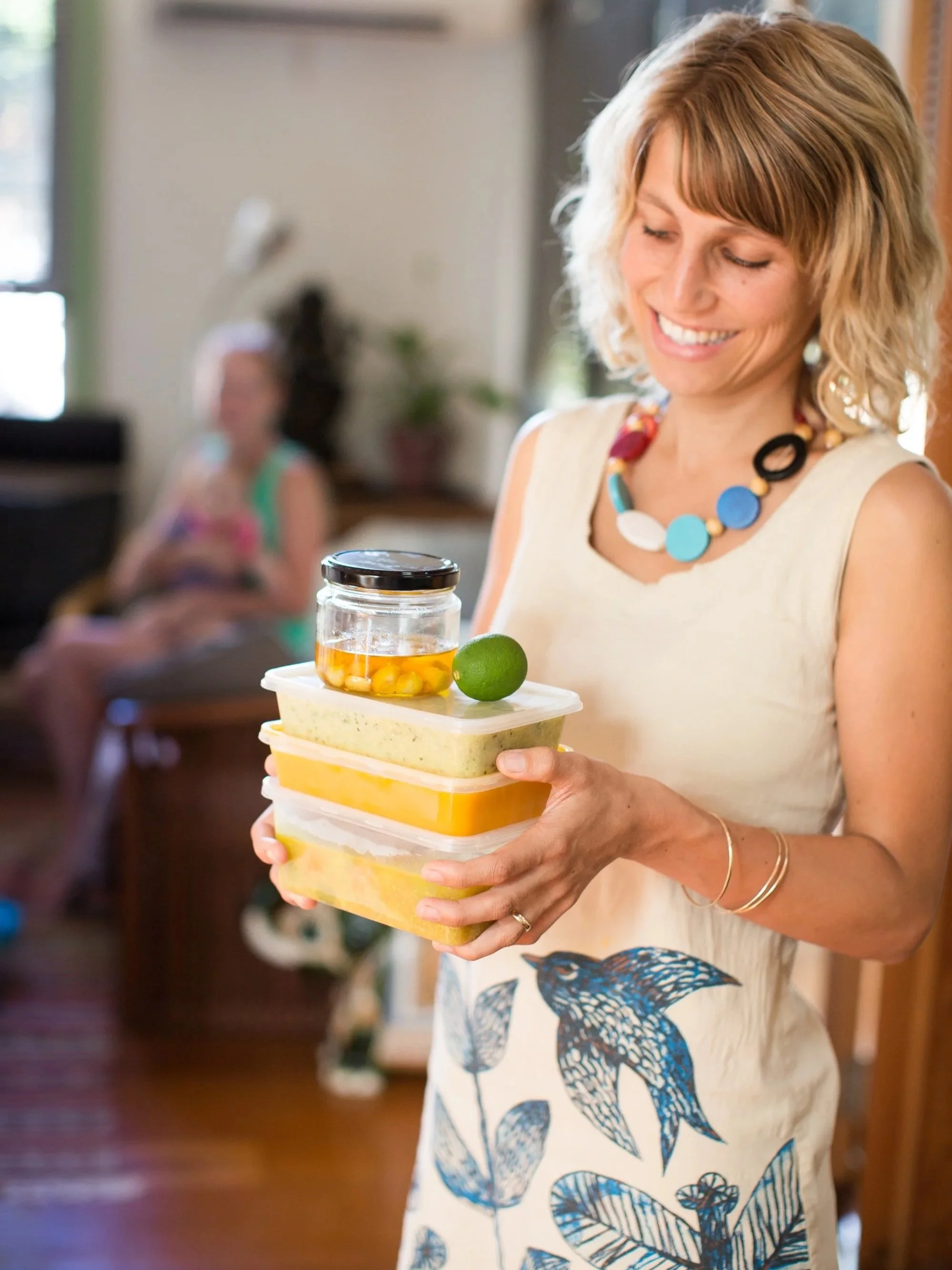
Provide nourishing, tasty postpartum meals
During pregnancy, there’s a lot of focus on what mothers should eat (or mostly, not eat). But after birth, nutrition often goes out the window.
However, food is really important in postpartum, too.
Newborn mothers are recovering from birth, replenishing nutrient stores, and producing breastmilk (often while running on very little sleep). That’s a lot of work and it can’t be sustained on tea and toast.
You might be wondering what exactly to feed a newborn mother.
Luckily, postpartum food doesn’t need to be complicated or restrictive. You don’t have to be a nutritionist to ensure a mother gets fed well.
Across cultures and throughout history, there are some simple, consistent patterns in how newborn mothers are nourished. When you understand these patterns, you have a flexible framework you can adapt to any family.
We teach care providers how to translate those traditional principles into modern, practical postpartum nutrition.
The posts in this guide focus on easy ways to put this into practice, from delicious recipes to inspiring interviews.
Learn more about postpartum food:
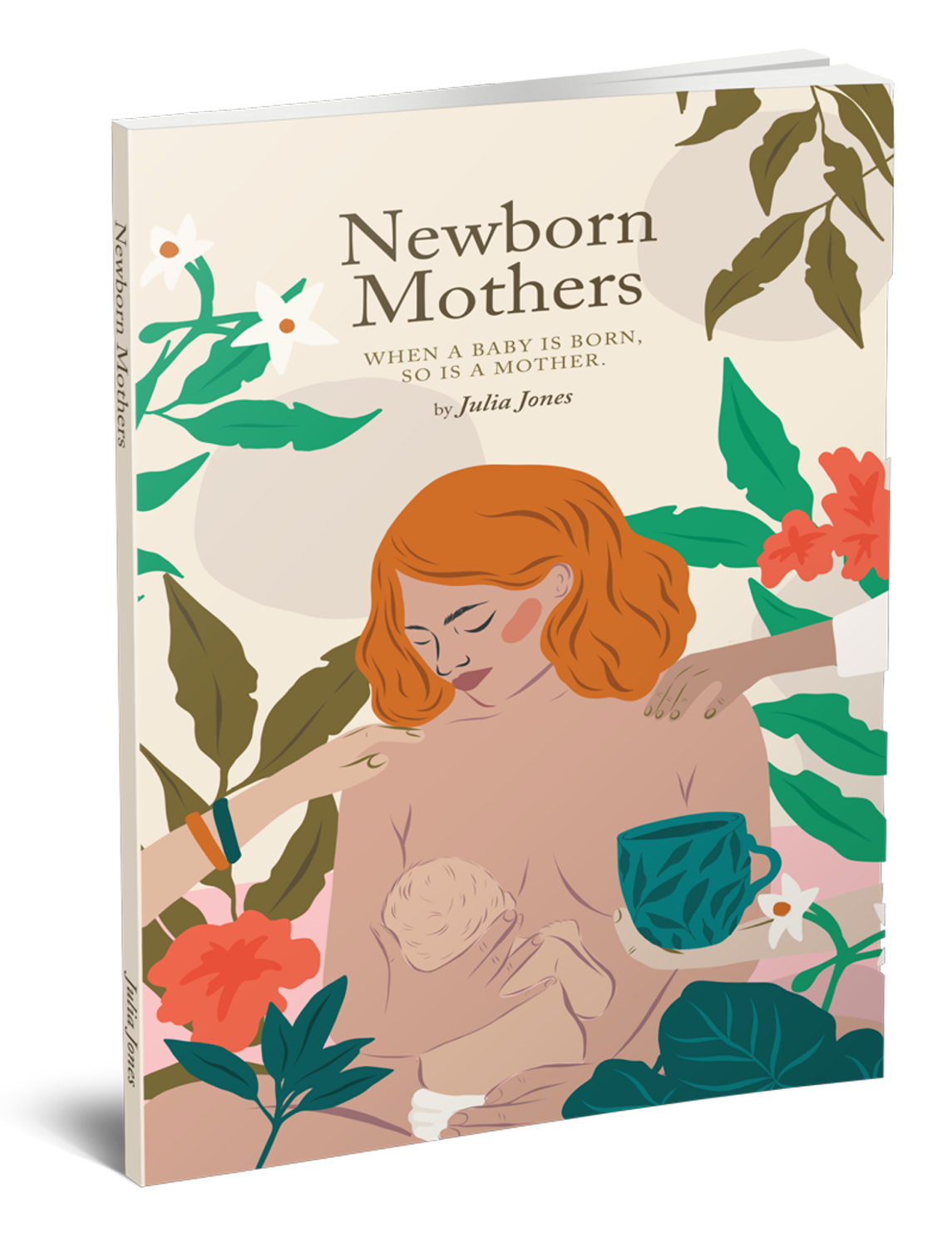
Read the best-selling book:
Newborn Mothers: When a Baby is Born, So is a Mother
Your invitation to join a gentle, internal revolution in your heart and in your home.
Help newborn mothers get more sleep (without stress or struggle)
Topics like co-sleeping, sleep training, and bedtime routines are conversational firecrackers. They often bring out strong opinions (even from people who don’t have babies of their own!)
But sleep is shaped by culture, upbringing, values, and personal experience. There’s no one way that sleep “should” happen for babies. Infant sleep doesn’t follow one blueprint, and families are rarely working within the same conditions.
Sleep-deprived parents deserve evidence-based support that is practical, adaptable, and grounded in what works for the whole family.
How can we help new parents get more rest, while still supporting biologically normal infant sleep?
The posts below explore sleep strategies that you can adapt for families of all kinds, whatever their beliefs or needs.
Learn more about postpartum sleep:

Support mothers to breastfeed (even if you’ve never done it yourself)
What if we could help all parents meet their own breastfeeding goals, whether they want to breastfeed for 6 weeks or 3 years?
Breastfeeding is often central to the postpartum experience. When it’s going well, everything else tends to slip into place. But when there are challenges, the stress and worry can pile on.
Many postpartum care providers want to support breastfeeding, but feel unsure where they fit.
Some people worry they don’t have enough formal training. Others rely too heavily on their own personal experience, even though that won’t be relevant to every family.
The key shift is learning how to explain breastfeeding in simple, grounded language that parents can understand every step of the way.
It’s not about providing more and more information, it’s about knowing what to say and when.
The posts in this breastfeeding guide explore how to support breastfeeding with confidence. Find out how breastfeeding actually works, when to refer to a specialist, how to manage common concerns and lots more.

Learn more about breastfeeding:
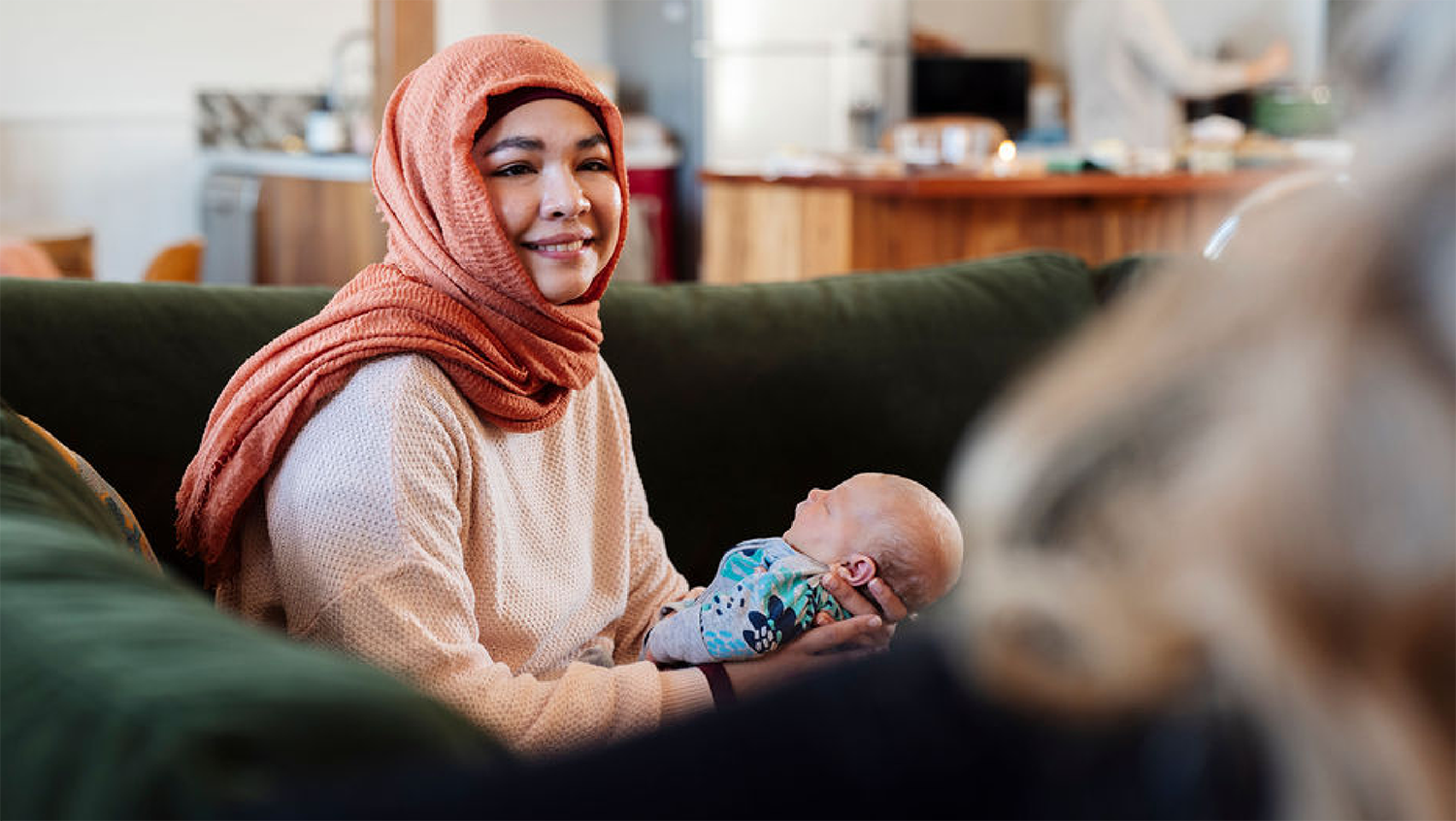
Training pathways
Newborn Mothers offers online postpartum training. Find out how to start your career supporting new families.

Protect mental health with simple strategies
Mental health during postpartum is quite complex. It’s shaped by a lot of different things, including sleep, nutrition and social support.
But most of the time, it only gets talked about when there’s an issue. Maternal mental health gets reduced to problems, diagnoses, and “fixing” what’s wrong.
This sometimes means a mother may feel something’s wrong with her brain, when it’s equally likely that she just isn’t getting the support she needs.
Postpartum mental health isn’t something mothers are meant to navigate alone. Support, environment, and connection are key.
When mental health goes wobbly, there’s rarely just one cause or one clear answer.
If we shift away from “fixing” and toward understanding, it becomes easier to see what mothers need in this period.
The posts in this guide explore how to support mental wellness as a postpartum care provider.
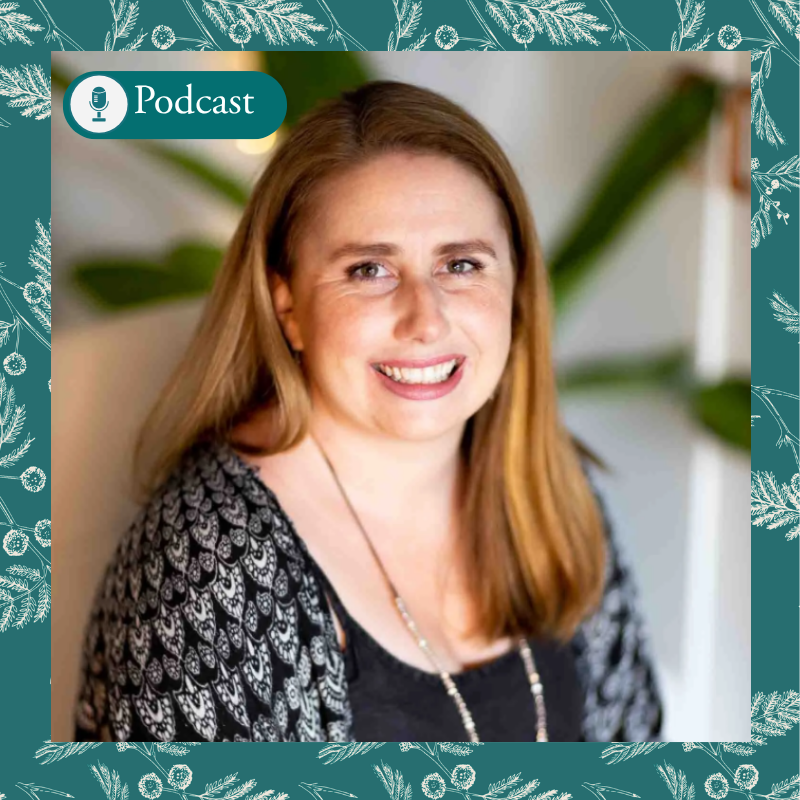
Learn more about postpartum mental health:
Build a 21st century village of support
Village-building might just be the most under-recognised tool in postpartum care! It’s also one of the most important.
Humans evolved to raise babies in supportive communities. For as long as people have been having babies, care was shared across families and friends.
But most new families today no longer have that kind of support system. Mothers are navigating postpartum alone, and it’s exhausting.
This is where postpartum care providers play a crucial role. Not by becoming the village, but by helping build one.
This might look like connecting mothers to local resources and groups, helping mobilise friends and family, or guiding families toward the right specialist support when needed.
It’s a skillset that’s often overlooked, but it can completely change a family’s postpartum experience.
So what does it actually look like to build a strong community around a new family today?
This guide explores how we can help newborn mothers build a postpartum village of support that may last them a lifetime.
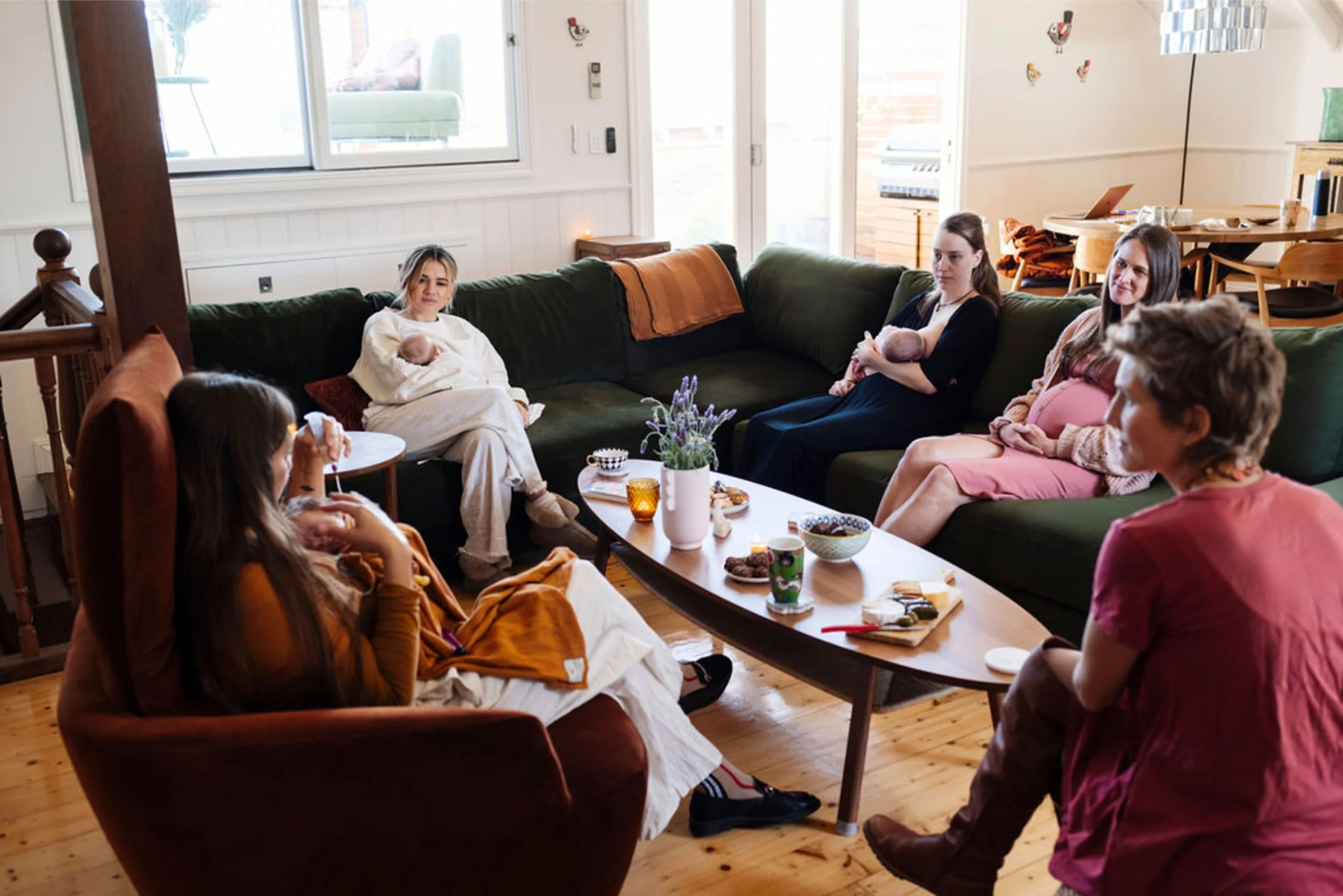
Learn more about village-building:
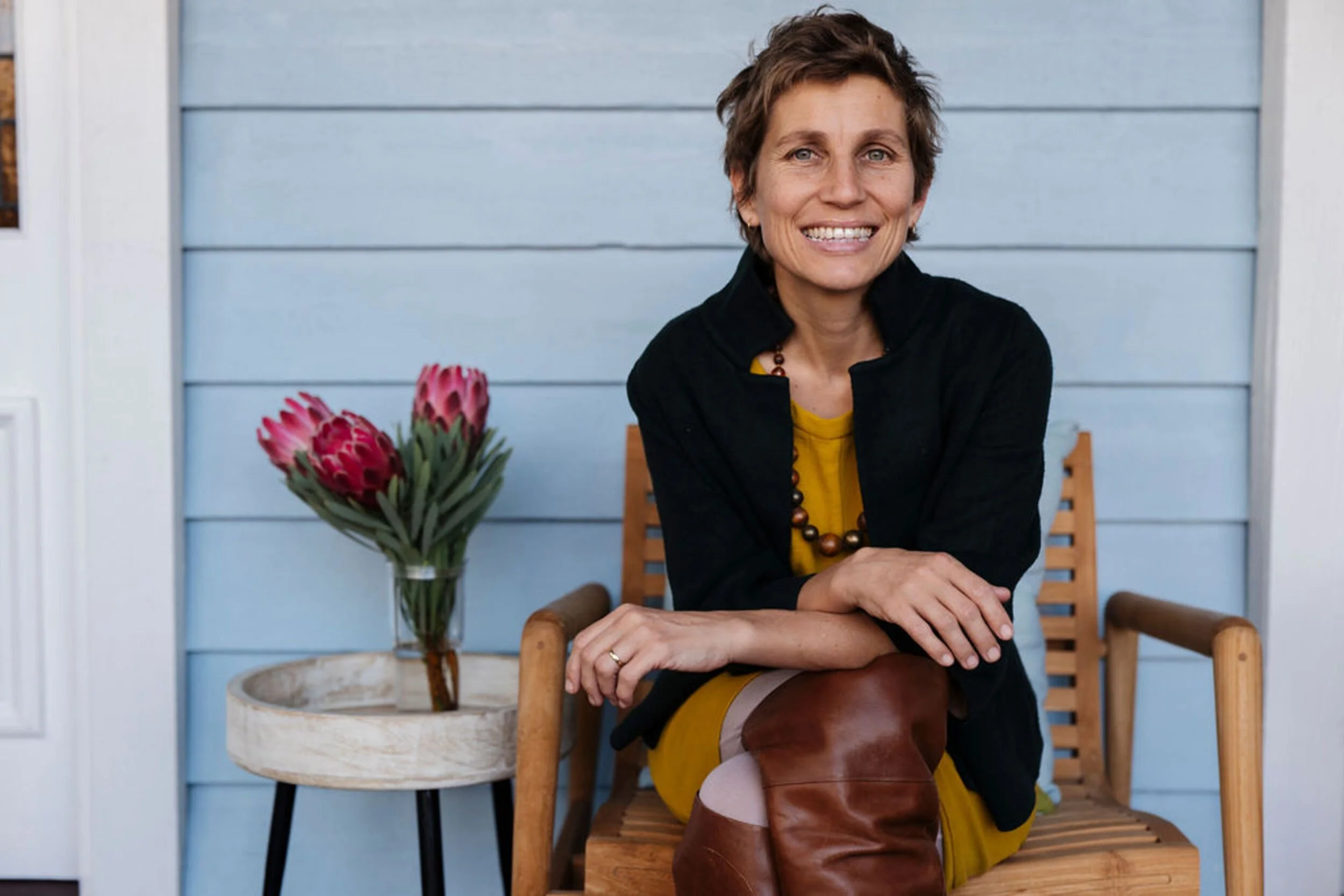
About Newborn Mothers
Global postpartum education and mentoring · Created by mothers, for mothers · Based on evidence · Grounded in culture · Inclusive by design · Raising the standard of postpartum care
About Julia Jones
Founder · Postpartum educator · Best-selling author · Hiker · Home cook · Hand embroidery lover · Rewriting the postpartum story