
Think of a doula as a companion. Whether the journey is long, challenging, rewarding or exciting (or all of the above!), a doula ensures that the person travelling is never alone.
To put it more pragmatically, a doula is a non-medical professional who provides emotional, informational and practical support during a major life transition.
Most people are familiar with birth doulas if they’ve heard of doulas at all, but there are actually lots of different kinds of doulas.
To name a few:
postpartum doulas
bereavement doulas
fertility doulas
divorce doulas
end-of-life doulas
What these roles have in common is that they support people through major life transitions or shifts in identity, each with a unique set of challenges.
The specific support a doula provides looks different depending on the transition. A birth doula may offer reassurance during labour while a bereavement doula may sit alongside someone experiencing loss.
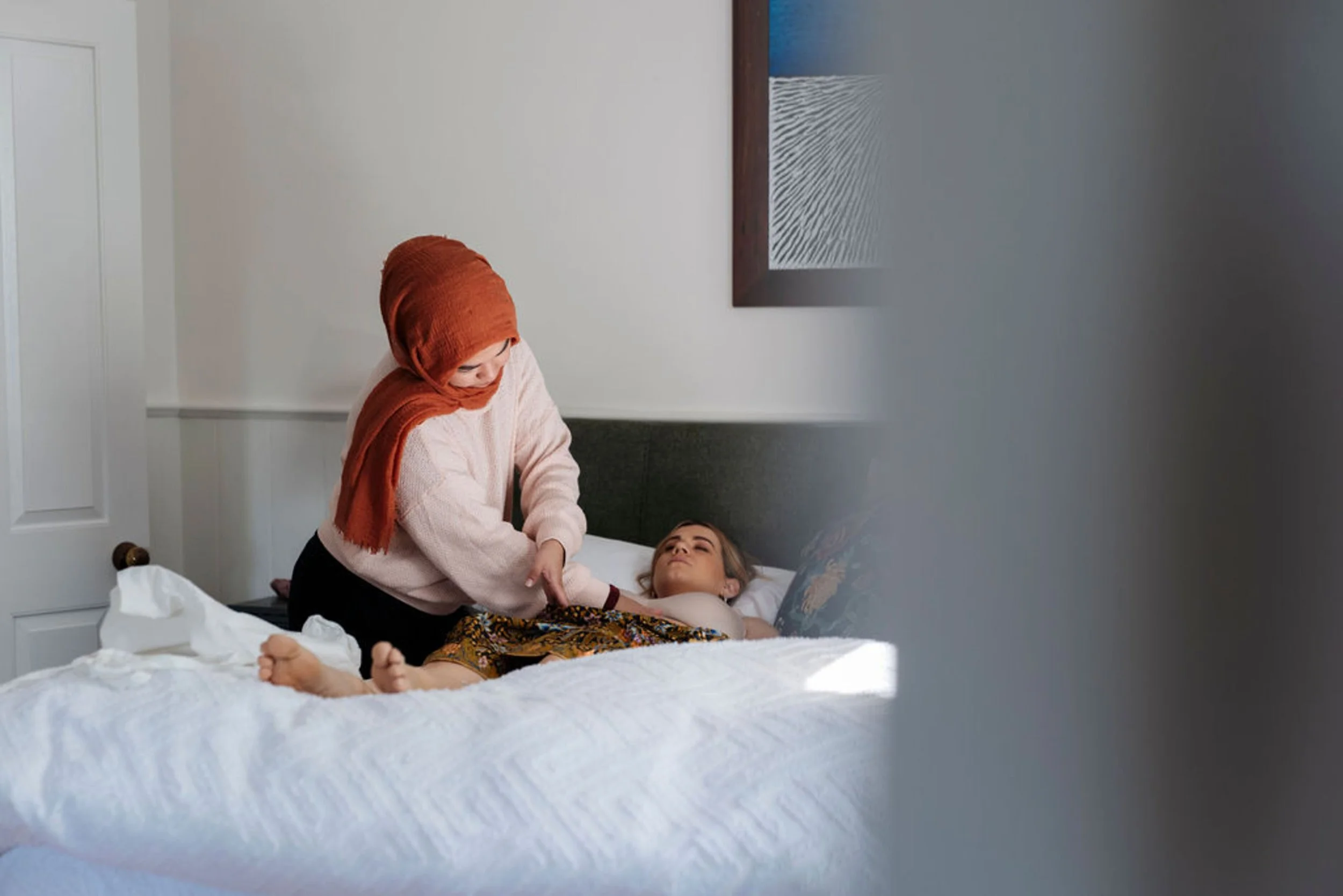
Why do humans have doulas?
Actually, the word “doula” as it refers to the modern profession is relatively new in many Western countries. But the human need for companionship through big transitions is ancient.
Human beings didn’t evolve to navigate life changes in isolation. Throughout history, humans have always created support structures of one kind or another. Family and friends gathered around those experiencing pregnancy, labour, postpartum, death, grief and other profound shifts.
Nowadays, most of these community supports are no longer woven into the fabric of everyday life. The modern doula is one response to this loss of connection.
People invite doulas into intimate moments in order to feel supported. Unlike many professionals, doulas aren’t defined by procedures they perform or conditions they treat. They’re defined by the relationship they build. Their role isn’t to replace healthcare providers, but to provide presence, information and support.
Postpartum doulas bring this model of care to one of the biggest transitions a person can experience: becoming a parent.
Where did the word doula come from?
In the 1960s anthropologist Dana Raphael coined the word doula, in its modern sense. She was unable to breastfeed and completed a PhD on cross-cultural breastfeeding practices, under the mentorship of Margaret Mead.
One day, she was talking about the cultural support required for breastfeeding to thrive when a Greek grandmother explained that when she was young a ‘doula’ would care for new mothers at home.
The Greek word doula actually means female slave, but it was adopted by Dana Raphael to mean ‘mothering the mother’ and since then doulas work have expanded beyond breastfeeding support into birth and other major life transitions.
Side note: Dana Raphael also coined the word matrescence!
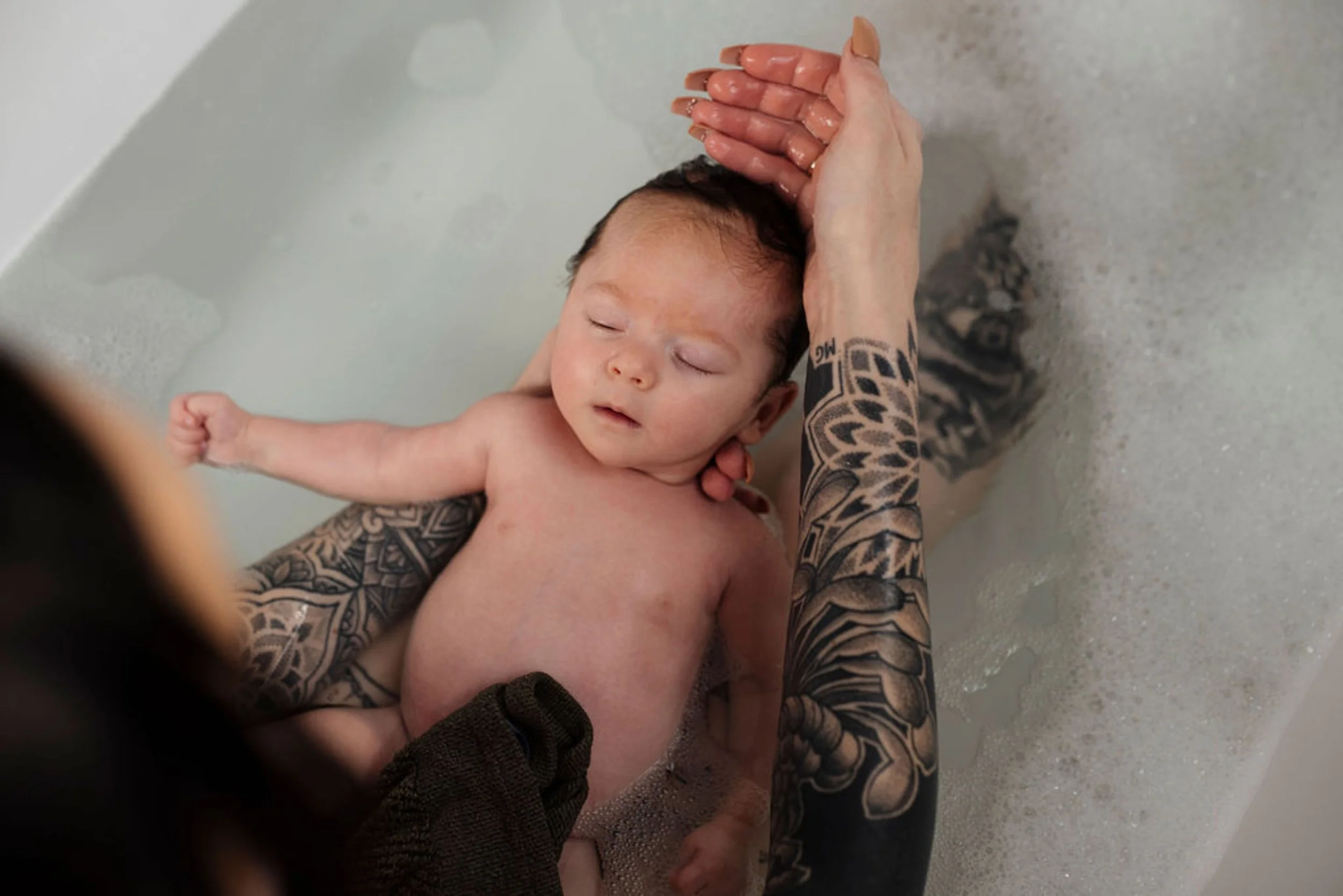
How do postpartum doulas fit into this framework?
Postpartum doulas specialise in supporting mothers after birth. They typically make home visits on a regular basis, providing companionship and emotional support during the transition into motherhood.
At Newborn Mothers, we’ve been training postpartum doulas over a decade. Over time, we developed a more specific framework and language to describe the depth and breadth of postpartum work. We created and now use the term Postpartum Education and Care Professional and a global certification to go with it!
Many of our graduates use this term, while others call themselves postpartum doulas, and some use both interchangeably.
No matter what the job title, the heart of the work is the same: making sure mothers and families don’t have to navigate one of life’s biggest transitions alone.
Curious about how to become a postpartum doula? Learn about our Postpartum Education and Care Professional Training here.
